
Industry Deep Dives
Why /dev/color Exists: Black Engineers Built Their Own Squad
By Arie Mangrum IV · October 6, 2026 | 2 min read
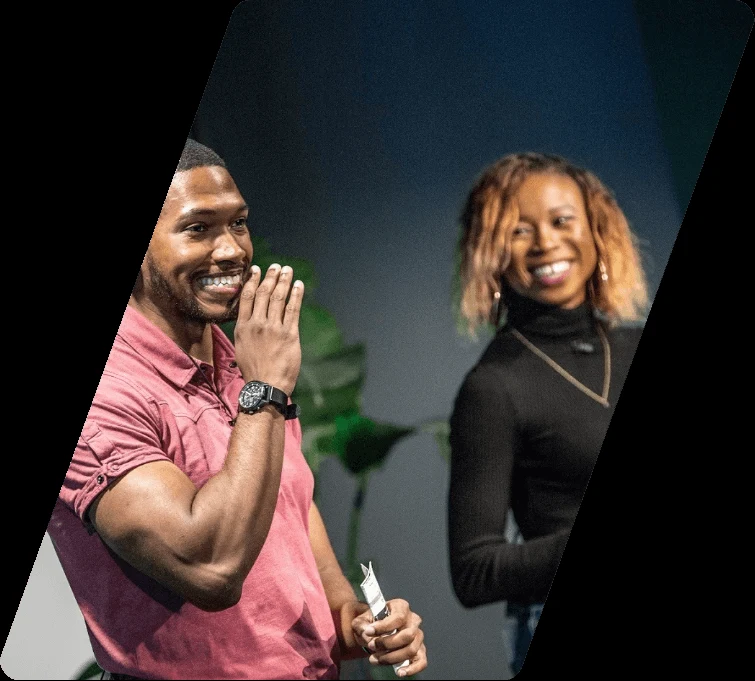
In 2015, Makinde Adeagbo could go weeks without seeing another Black engineer in San Francisco.
He was an engineer at Pinterest then, and the numbers around him were stark. Reports at the time put Black employees at about 2% of Facebook and 1% of Pinterest. Adeagbo, who was born in Nigeria, raised in Louisville, Kentucky, and earned a computer science degree at MIT, had also worked at Facebook and Dropbox. He knew what the isolation felt like.
The spark was mentoring. He had been guiding a Stanford computer science student who went on to a third Facebook internship, and he saw how much that support mattered. Why was it only him doing this when other engineers wanted to help but had no system for it? He decided to build the system.
That became /dev/color, a nonprofit that launched in October 2015. The name nods to a directory on computer systems. It started with about 20 members, each matched with another to set goals and offer guidance. Pinterest gave Adeagbo time to build it, and engineers from Pinterest, Airbnb, and Facebook joined. In 2016 it entered Y Combinator, where USA Today described it as the first diversity nonprofit.
Here's where it stands today, according to its own site:
- 600+ professional members in a global community of Black software engineers, technologists, and executives
- Nearly 1,000 leaders have gone through A* (A Star), its flagship peer mentorship program
- 20,000+ people in its wider community reach
- 500+ employer companies and 6,000 career milestones logged
The organization also acts as an accountability partner for companies that employ and invest in Black technologists, and it says its members outpace the industry in pay equity, gender equity, and career advancement.
Three things the industry can learn here:
- Retention is a community problem. Hiring someone into isolation isn't the same as helping them stay and grow.
- Peer networks scale. A mentor-matching model started with 20 people and now reaches thousands.
- Accountability matters. Employers who say they care about representation need partners who will measure it.
The model is described as "for us, by us," and it works because the people who benefit are also the ones building it.
If you're a Black engineer, technologist, or tech executive, you can apply to join at devcolor.org. And if you're hiring in tech, it's the kind of community we want to see at the table. At IndeedBlack, we're paying attention. Makinde Adeagbo is the founder.
More in Industry Deep Dives
- Inside the Billion-Dollar Bet That Medicaid Patients Deserve Better: Cityblock Health
October 6, 2026 | 3 min read
- The Pipeline Problem: How Coded by: Is Building Philadelphia's Next Tech Founders
October 6, 2026 | 2 min read
- Where Equity Becomes Dollars: Stimulus and the Supplier Diversity Gap
October 6, 2026 | 2 min read